Artificial intelligence has changed the way content creators research, write, edit, design, and distribute content. As a result, tools such as ChatGPT and DeepSeek have become increasingly useful for writers, bloggers, marketers, video creators, researchers, and other digital professionals.
When comparing ChatGPT vs DeepSeek, however, it is not enough to ask which AI is simply “smarter.” Each platform has different strengths, features, workflows, and priorities. Therefore, the better option depends largely on what you create and how you plan to use AI.
ChatGPT has developed into a broad AI workspace with features such as web search, Deep Research, image generation and editing, file uploads, data analysis, voice, Canvas, Projects, and custom GPTs. Availability can vary depending on the plan and account.
Meanwhile, DeepSeek has evolved significantly from its earlier image as a low-cost reasoning alternative. Its 2026 V4 generation introduced million-token context capabilities, while DeepSeek-V4.1-Flash, released in September 2026, added native visual understanding alongside a focus on faster inference, higher throughput, and efficiency.
So, which one is better for content creators? Let’s compare them based on the tasks creators perform most often.
How Can AI Assist Content Creators?
Before looking at ChatGPT vs DeepSeek directly, it helps to understand where modern AI assistants can support the content creation process.
1. Idea Generation
Coming up with fresh ideas can be one of the most difficult parts of content creation. Fortunately, AI can help you brainstorm topics based on your niche, target audience, goals, and existing content.
For example, you can ask an AI tool to generate:
- Blog topics
- Video ideas
- Social media posts
- Headlines
- Content series
- Campaign concepts
- Newsletter topics
- Podcast subjects
However, generated ideas should be treated as starting points rather than finished creative concepts. Your own experience, research, opinions, examples, and understanding of your audience can turn a basic AI suggestion into something genuinely valuable.
2. Content Creation
Once you have an idea, AI can help turn it into an outline, draft, script, caption, email, or other type of content.
For instance, ChatGPT can assist with writing, rewriting, editing, summarization, and brainstorming. DeepSeek, meanwhile, is designed around reasoning and instruction-following capabilities, including different thinking and non-thinking workflows across its model generations.
Even so, neither tool should replace human judgment. You should still check facts, originality, tone, brand requirements, and whether the final content provides real value to your audience.
3. Research and Information Gathering
Reliable research is essential when creating educational, commercial, or news-related content.
ChatGPT’s Deep Research feature is designed for multi-step research tasks. It can investigate information across multiple sources and produce structured results with citations or source links.
That can be especially useful for:
- Research-based articles
- Industry reports
- Comparisons
- Market research
- Educational content
- Content briefs
DeepSeek also provides web-search and reasoning capabilities, giving creators another option for investigating topics and working through complex questions.
Nevertheless, important claims should still be verified against primary or authoritative sources. AI can make mistakes, even when the response sounds confident.
4. SEO Assistance
AI can support several parts of an SEO workflow.
For example, creators can use AI to brainstorm:
- Keywords
- Search intent
- Article structures
- Meta descriptions
- SEO titles
- Internal-link ideas
- Content updates
- Content briefs
However, AI does not guarantee search rankings.
Google’s current guidance emphasizes helpful, reliable, people-first content. In addition, Google warns against using generative AI to create large amounts of content primarily for manipulating search rankings.
Therefore, use AI to improve research, organization, and efficiency rather than simply producing large quantities of generic articles.
5. Audience Engagement
Content creators also need to communicate with their audiences across different channels.
AI can help draft:
- Social media captions
- Email newsletters
- Community responses
- Video descriptions
- Promotional messages
- Content announcements
Moreover, you can ask an AI tool to adapt the same idea for different audiences or platforms.
Human review is still important, because communication should reflect your personality and sound appropriate for your audience rather than feeling completely automated.
6. Content Repurposing
One particularly useful advantage of AI is content repurposing.
For example, a detailed blog post could become:
Blog post → YouTube script → LinkedIn post → Instagram captions → Newsletter → Short-video ideas
As a result, creators can get more value from the same research and ideas while reducing repetitive work.
7. Content Analysis
AI can also support analysis of content and structured data.
ChatGPT currently supports data analysis for spreadsheets and other structured information. It can help identify trends, summarize data, and create visualizations.
This can be useful for analyzing:
- Website traffic
- Campaign performance
- Social media results
- Content calendars
- Survey responses
- Sales data
Consequently, creators can use AI not only to produce content but also to understand how that content performs.
8. Content Monetization
AI can help creators brainstorm potential monetization methods.
These may include:
- Affiliate marketing
- Sponsored content
- Digital products
- Memberships
- Courses
- Consulting
- Services
- Newsletters
Still, AI cannot create a successful business model by itself. You need a genuine audience, a useful offer, and a realistic strategy behind the monetization plan.
9. Content Collaboration
Another useful application is collaboration.
AI can act as a brainstorming partner, editor, critic, or organizational assistant. You can use it to review a draft, reorganize ideas, suggest alternatives, or identify gaps in your content.
For solo creators especially, this can provide an additional perspective during the creative process.
ChatGPT vs DeepSeek: An Overview
ChatGPT and DeepSeek are both powerful AI systems, but they approach the market differently.
ChatGPT, developed by OpenAI, has evolved from a conversational chatbot into a broader AI workspace. Its current capabilities include web search, Deep Research, image input and generation, file uploads, data analysis, voice, Canvas, memory, Projects, and custom GPTs, although feature availability depends on account and plan.
DeepSeek, on the other hand, has focused heavily on reasoning, efficiency, long-context processing, multimodal capabilities, and model development. DeepSeek-V4 introduced million-token context capabilities, while DeepSeek-V4.1-Flash was released in September 2026 with native multimodal visual understanding.
For that reason, the ChatGPT vs DeepSeek comparison is really about choosing the most suitable workflow rather than declaring one permanent winner.
ChatGPT Features
For many content creators, ChatGPT’s biggest advantage is the range of tools available within one environment.
Writing and Editing
ChatGPT can assist with:
- Blog writing
- Rewriting
- Editing
- Summarization
- Brainstorming
- Headlines
- Scripts
- Emails
- Content planning
In addition, you can ask it to review an existing draft according to your preferred tone, structure, audience, or writing style.
Web Search and Deep Research
For research-heavy content, these features can be especially valuable.
ChatGPT Search can retrieve current information from the web, while Deep Research is designed for more complex, multi-step investigations that synthesize information across sources and produce cited results.
As a result, content creators can use ChatGPT for both quick research questions and more detailed research projects.
Image Generation and Editing
Visual content is another major area where ChatGPT has expanded.
ChatGPT can generate images from text prompts, analyze uploaded images, and modify images using natural-language instructions.
For creators, this can be useful for:
- Blog illustrations
- Social media graphics
- Concept images
- Mockups
- Creative artwork
- Marketing visuals
Therefore, writers and marketers who also need visual content can keep more of their workflow in one place.
File Analysis
ChatGPT can work with uploaded documents, spreadsheets, presentations, and other supported files. It can summarize material, extract information, compare documents, analyze data, and transform content.
For example, a creator could upload a research report and ask for an outline, upload a content calendar for analysis, or provide a draft for editing.
Projects and Long-Term Work
ChatGPT Projects allow users to organize conversations, files, and context around a shared objective.
This can be helpful when working on a long-running blog, YouTube channel, marketing project, research assignment, or content campaign.
DeepSeek Features
DeepSeek has also progressed considerably, particularly in reasoning, long-context processing, multimodal understanding, and efficiency.
Strong Reasoning
Reasoning has been one of DeepSeek’s most visible strengths.
Its model development has included thinking-focused capabilities, while later generations have continued to improve reasoning and agent-oriented performance. The current V4.1-Flash documentation highlights strong benchmark performance across several reasoning and agentic tasks.
For content creators, this can be useful when a subject requires careful analysis before it becomes an article, script, report, or explanation.

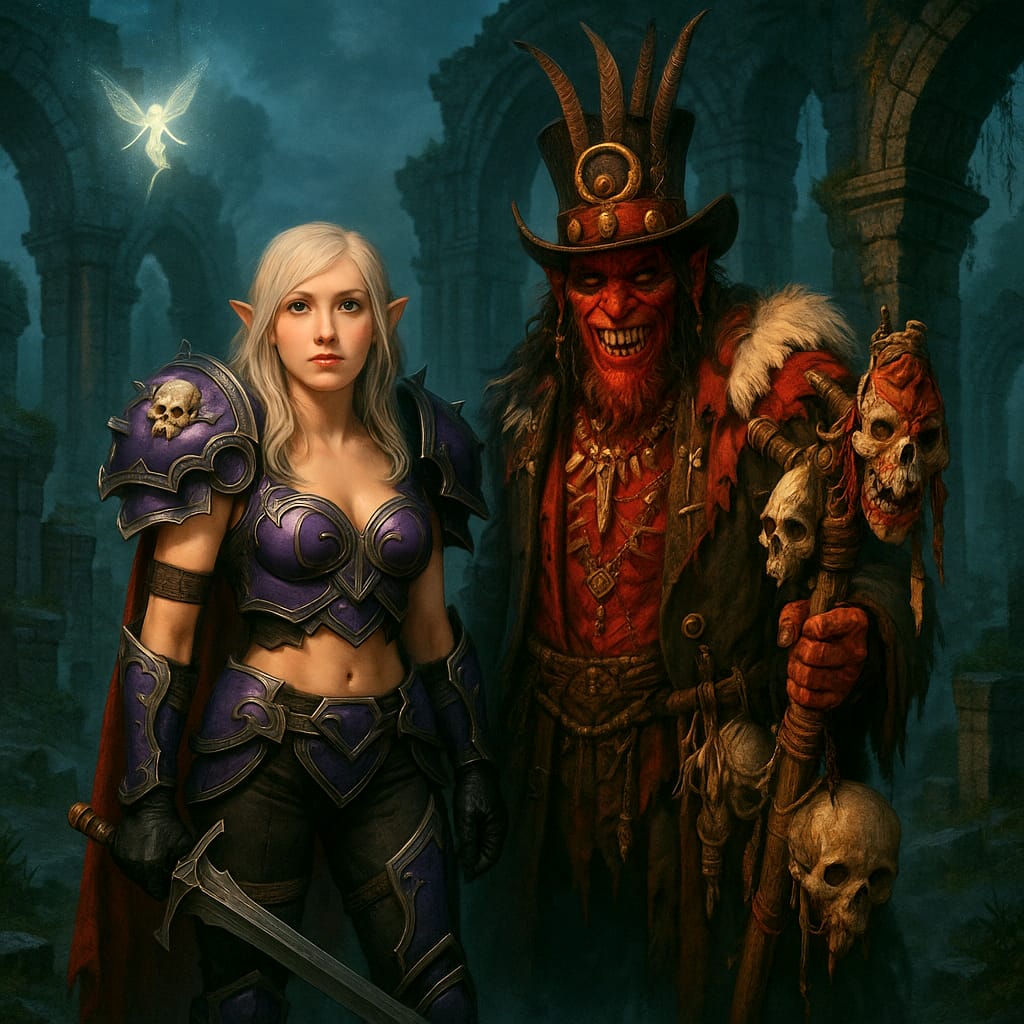

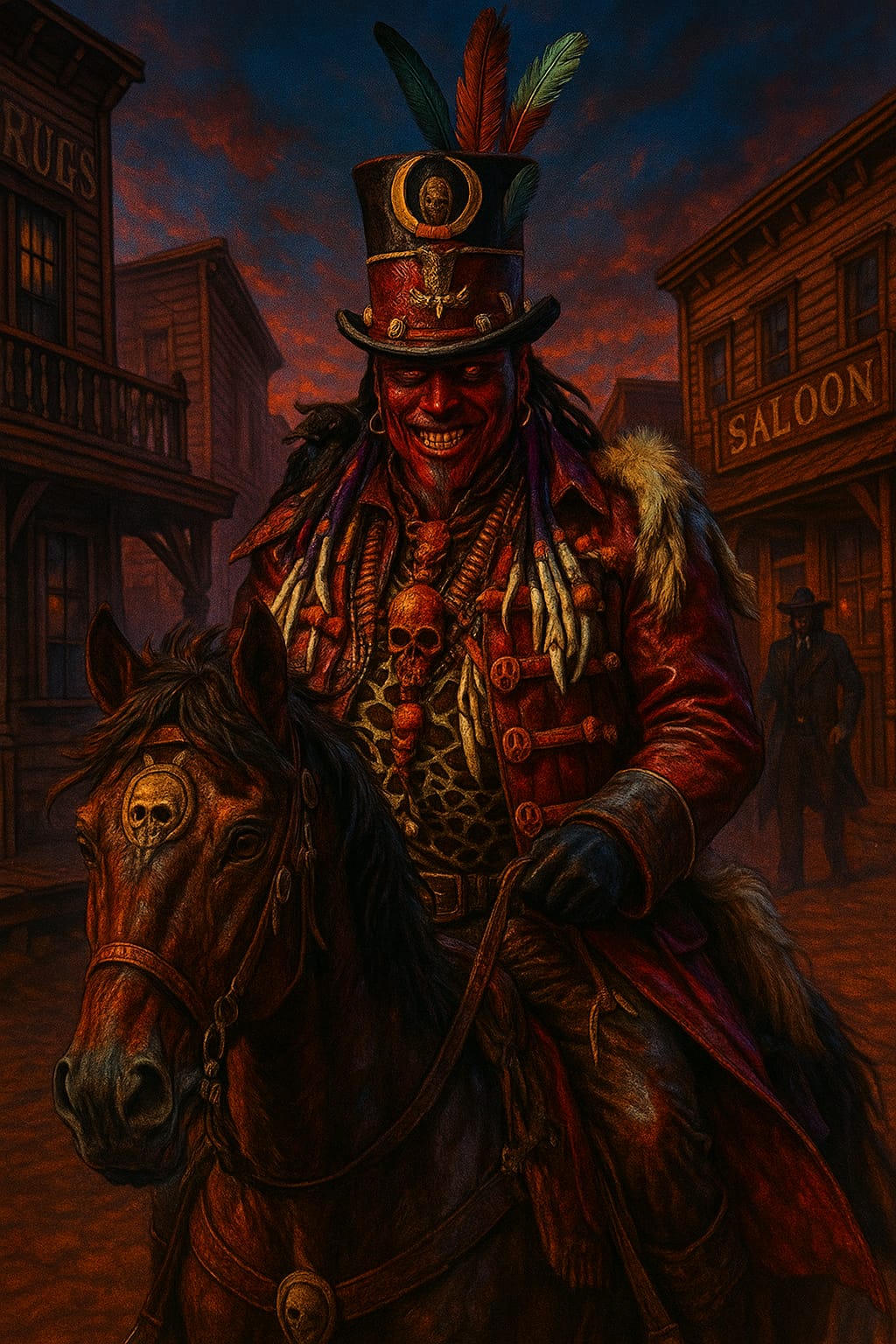
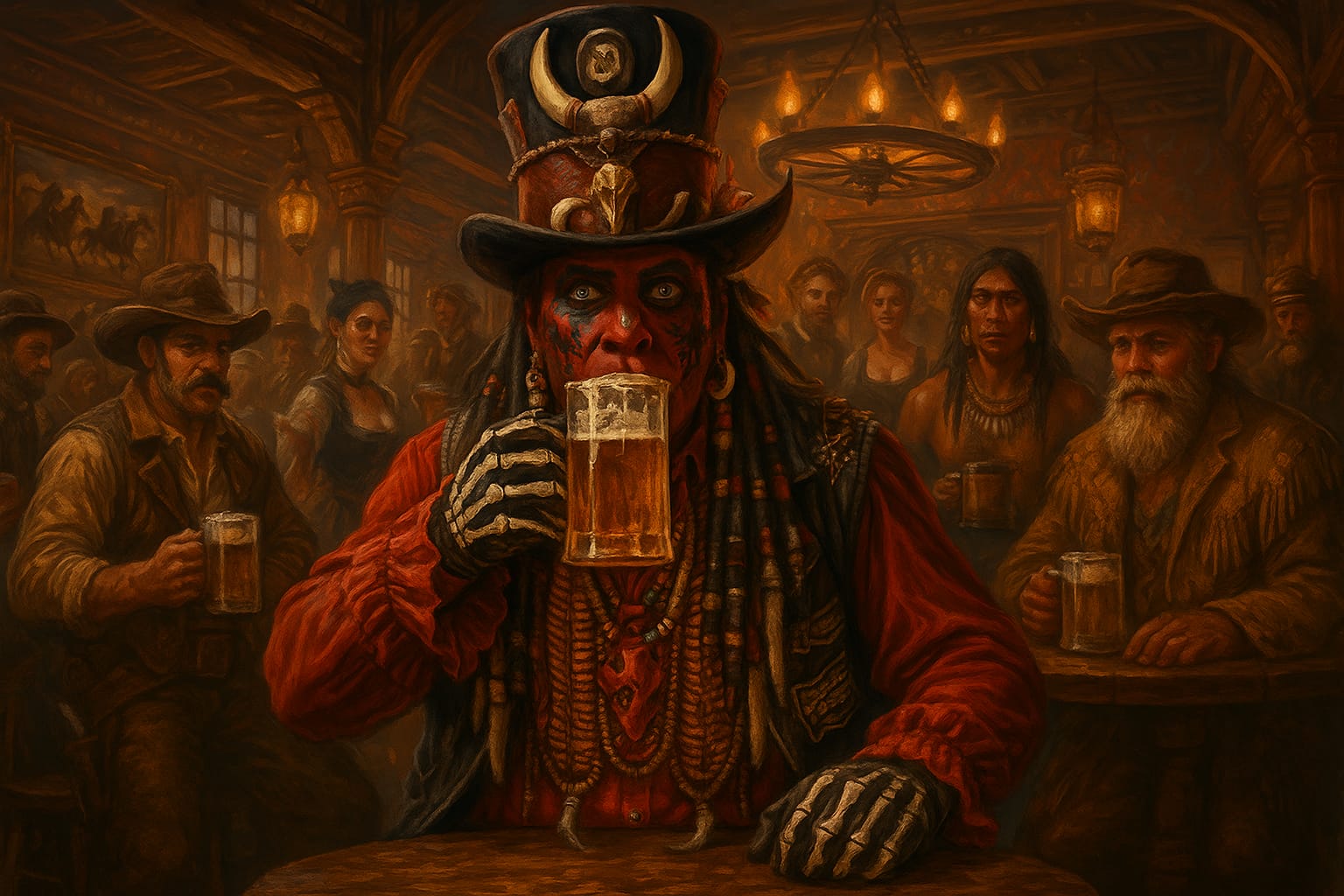
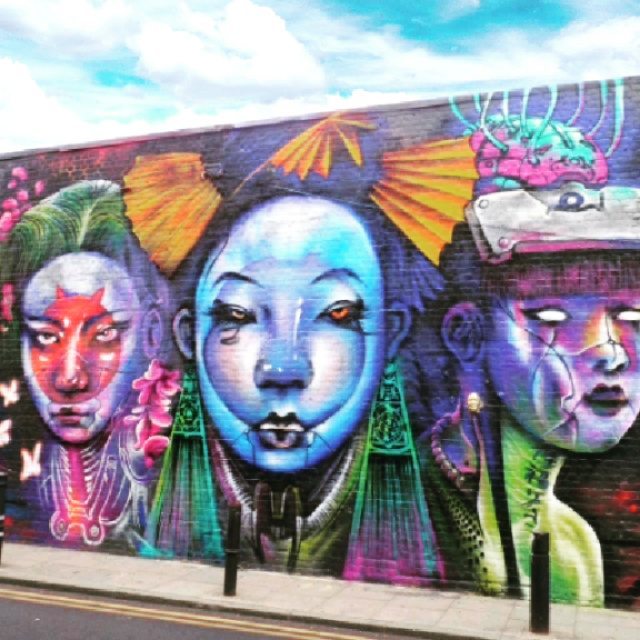
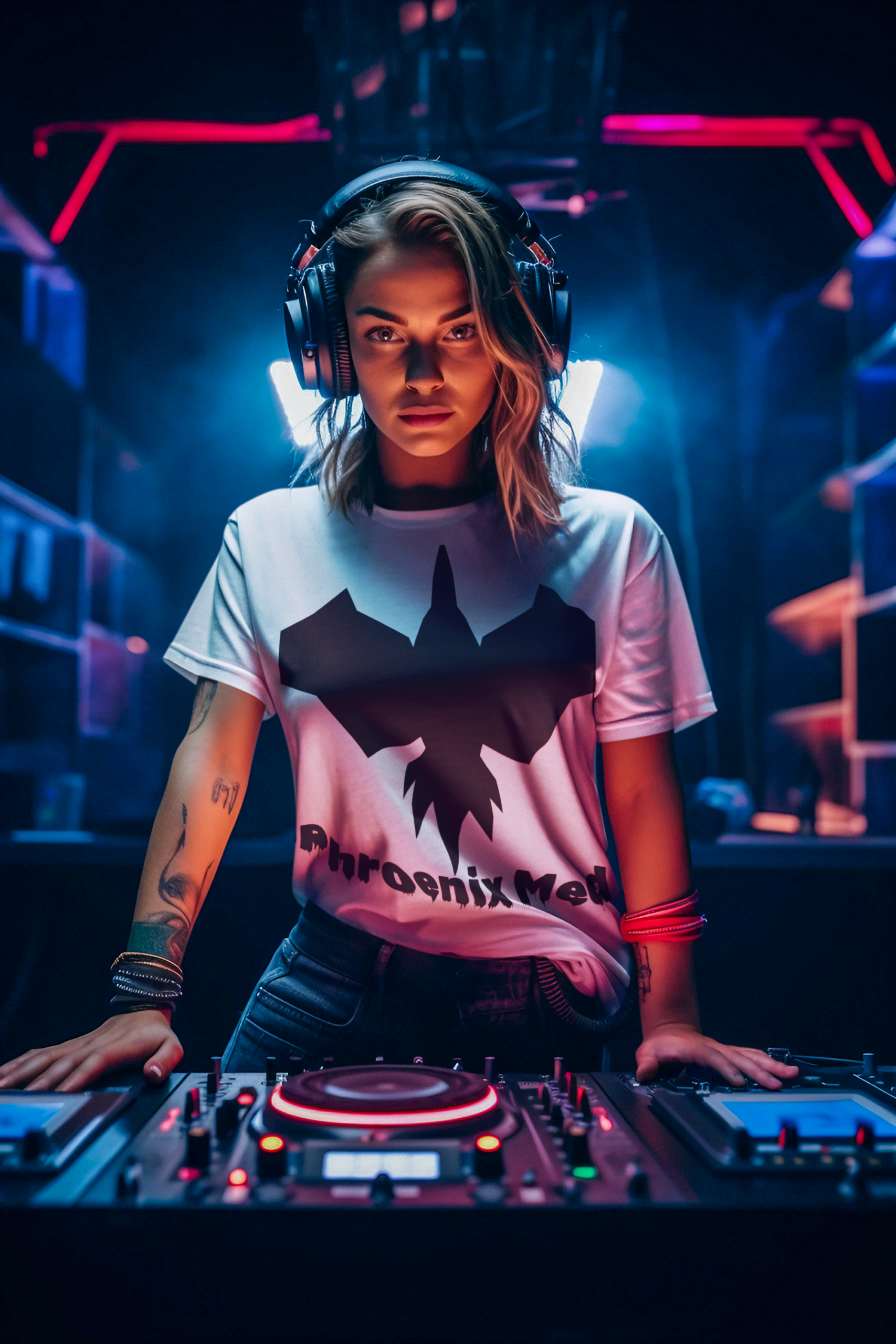
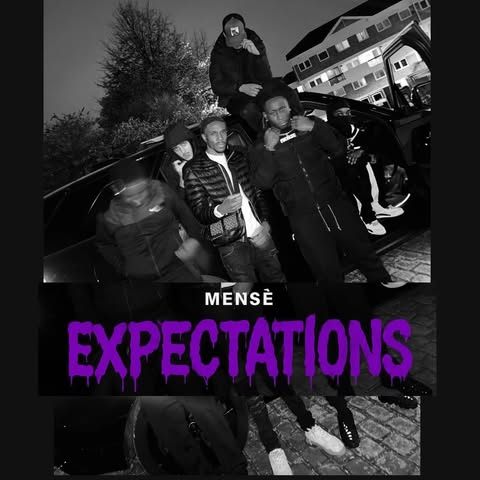
“Images create by Resurrection Joe using Chat GPT”
Long Context
Long-context processing is another notable DeepSeek feature.
DeepSeek’s V4 preview introduced a 1-million-token context length, allowing the model to work with very large amounts of information in one context.
This can be useful for:
- Long research documents
- Large collections of notes
- Extensive project information
- Long-form writing
- Technical materials
However, a larger context window does not automatically mean better answers. The quality of the instructions, source material, and reasoning still matters.
Visual Understanding
DeepSeek has also moved further into multimodal AI.
Released in September 2026, DeepSeek-V4.1-Flash includes native visual understanding and is available through the DeepSeek API.
Therefore, it would no longer be accurate to describe modern DeepSeek simply as a text-only AI system.
Efficiency and Cost
Efficiency is another major focus of the V4.1-Flash release.
DeepSeek says the model was designed for greater capability, faster inference, higher throughput, and lower serving costs. The company also introduced revised API pricing with peak and off-peak rates.
For developers or businesses using AI through APIs at scale, those cost and efficiency considerations can be particularly important.
ChatGPT vs DeepSeek for Content Writing
For everyday content creation, both platforms can help with:
- Ideas
- Outlines
- Drafts
- Rewriting
- Summaries
- Editing
- Brainstorming
The difference becomes clearer when you consider the surrounding workflow.
ChatGPT provides a broader creator-oriented environment that combines writing with research, files, images, data analysis, and other tools.
DeepSeek, meanwhile, can be attractive when reasoning, large contexts, and efficient model access are especially important.
Winner for General Content Creation: ChatGPT
For creators who want a broad all-in-one platform, ChatGPT is the stronger overall choice.
Its combination of writing, research, file handling, data analysis, and visual capabilities makes it particularly convenient for content workflows.
ChatGPT vs DeepSeek for Research
Research quality depends on much more than the language model itself.
The quality of the sources, search process, citations, fact-checking, and editorial judgment all affect the final result.
ChatGPT’s Deep Research workflow is specifically designed for complex research and cited outputs.
DeepSeek also offers search and reasoning capabilities, so it can still be useful for investigating topics and exploring difficult questions.
Winner for Structured Research Workflows: ChatGPT
When the main requirement is a structured, multi-source research process with citations, ChatGPT has the clearer advantage.
That does not mean every ChatGPT research result is automatically correct. Important information should still be checked against authoritative sources.
ChatGPT vs DeepSeek for Long Documents
Long documents are an area where DeepSeek has become particularly notable.
Its V4 generation introduced a 1-million-token context length, which can be useful for very large bodies of material.
ChatGPT also supports file uploads, long-context workflows, and document analysis.
Winner: Depends on the Workflow
For extremely large context requirements, DeepSeek’s million-token capability is a notable strength.
On the other hand, creators who want to combine documents with research, images, data analysis, and long-term project organization may find ChatGPT more convenient overall.
ChatGPT vs DeepSeek for Images
Image capabilities create an important distinction between the two platforms.
ChatGPT supports both image generation and image editing directly within ChatGPT. Users can create images from prompts, analyze visual material, and modify images with natural-language instructions.
DeepSeek-V4.1-Flash, by comparison, emphasizes native visual understanding rather than positioning itself as an equivalent integrated image-generation workspace.
Winner for Visual Content Creation: ChatGPT
For bloggers, marketers, designers, and other creators who need AI-generated artwork, thumbnails, illustrations, or image edits, ChatGPT is the more direct choice.
ChatGPT vs DeepSeek for SEO
Neither platform should be considered an automatic SEO solution.
Both can help with keyword ideas, article structures, titles, metadata, search intent, content audits, and optimization.
However, ranking in search results depends on far more than generating text.
Google recommends creating helpful, reliable, people-first content and warns against generating content primarily to manipulate search rankings.
Therefore, the strongest SEO workflow uses AI as an assistant while adding original information, real experience, useful examples, strong research, and human editorial judgment.
Winner: Tie
For SEO, your content strategy and execution matter more than whether you use ChatGPT or DeepSeek.
ChatGPT vs DeepSeek for Content Creators
Here is a practical comparison:
| Feature | ChatGPT | DeepSeek |
|---|---|---|
| General writing | Excellent | Excellent |
| Brainstorming | Excellent | Excellent |
| Reasoning | Excellent | Excellent |
| Web research | Strong | Strong |
| Structured deep research | Excellent | More workflow-dependent |
| Long-context work | Strong | Excellent |
| Image understanding | Yes | Yes |
| Image generation | Yes | Not its primary focus |
| Image editing | Yes | Different focus |
| File analysis | Yes | Yes |
| Data analysis | Yes | Available through model/tool workflows |
| Visual content workflow | Excellent | Developing |
| Open model ecosystem | More limited | Stronger |
| API efficiency focus | Strong | Major focus |
| All-in-one creator workflow | Excellent | More specialized |
Because AI models change frequently, this comparison should be viewed as a snapshot rather than a permanent ranking.
“Images Created by Resurrection Joe Using ChatGPT”
The original article included images created by Resurrection Joe using ChatGPT.
[Keep the original Resurrection Joe images here.]
This example is useful because it demonstrates how AI can become part of a broader creative workflow rather than being used only for writing.
Today, ChatGPT can generate and edit images directly, which makes AI-assisted visual production much more accessible to content creators.
Which AI Is Better for Content Creators?
There is no universal winner for every creator.
Instead, consider the specific tasks you perform most often.
Choose ChatGPT When You Need an All-in-One Workflow
ChatGPT is particularly suitable when your work involves a combination of:
- Writing
- Research
- Web search
- Image creation
- Image editing
- File analysis
- Data analysis
- Long-term projects
Its broad feature set makes it a convenient option for creators who want multiple capabilities in one environment.
Choose DeepSeek When Reasoning and Efficiency Matter Most
DeepSeek can be especially interesting when your workflow emphasizes:
- Advanced reasoning
- Very large contexts
- Multimodal understanding
- Efficient API use
- Open-model development
The V4.1-Flash release specifically highlights native visual understanding, faster inference, higher throughput, and lower-cost serving.
Can You Use ChatGPT and DeepSeek Together?
You don’t necessarily have to choose only one AI platform.
In fact, combining tools can sometimes create a more effective workflow.
For example:
DeepSeek → explore a complex idea and reason through the problem
ChatGPT → research, organize, edit, and develop the final content
ChatGPT Images → create supporting visuals
This approach allows you to use each tool according to its strengths.
Consequently, the most effective question may not be “ChatGPT or DeepSeek?” but rather “Which tool is best for this specific task?”
The Real Winner Is the Content Creator
AI can make content creation faster, but faster does not automatically mean better.
The creator still needs to provide:
- Original ideas
- Personal experience
- Creativity
- Editorial judgment
- Fact-checking
- Audience understanding
- Strategic thinking
AI should therefore be treated as a tool that increases your capabilities rather than a replacement for your expertise.
Google’s guidance similarly emphasizes creating content primarily to help people, while AI-assisted content should still meet the same quality and spam-policy expectations as other content.
Final Verdict: ChatGPT vs DeepSeek
So, who wins the ChatGPT vs DeepSeek battle?
For most content creators looking for the broadest all-around workflow, ChatGPT is the stronger choice. Its combination of writing, web search, Deep Research, file analysis, data analysis, image generation, image editing, and project-oriented features makes it especially versatile.
Nevertheless, DeepSeek is a serious competitor. Its emphasis on reasoning, million-token context, native visual understanding, efficient inference, and evolving open-model ecosystem makes it particularly interesting for creators, developers, and businesses with those priorities.
Ultimately, there is no need to treat AI as a one-brand competition.
The best content creators learn how to choose the right tool for the right job.
Use AI to brainstorm. Use it to research. Use it to organize ideas. Use it to analyze information. Use it to create visuals and repurpose content.
Most importantly, make sure the final work still reflects your knowledge, experience, creativity, and perspective.
That is what turns AI-assisted content into content that is genuinely worth reading.