If you listen to music regularly, there is a good chance you have heard a song performed as a cover. A cover song is a performance or recording of a song that was originally written or recorded by another artist.
For musicians, learning how to cover a song can be an opportunity to introduce themselves to new audiences while adding their own interpretation to a familiar piece of music.
Covering a song can also be a useful way for musicians to demonstrate their technical ability, musical style, and creativity.
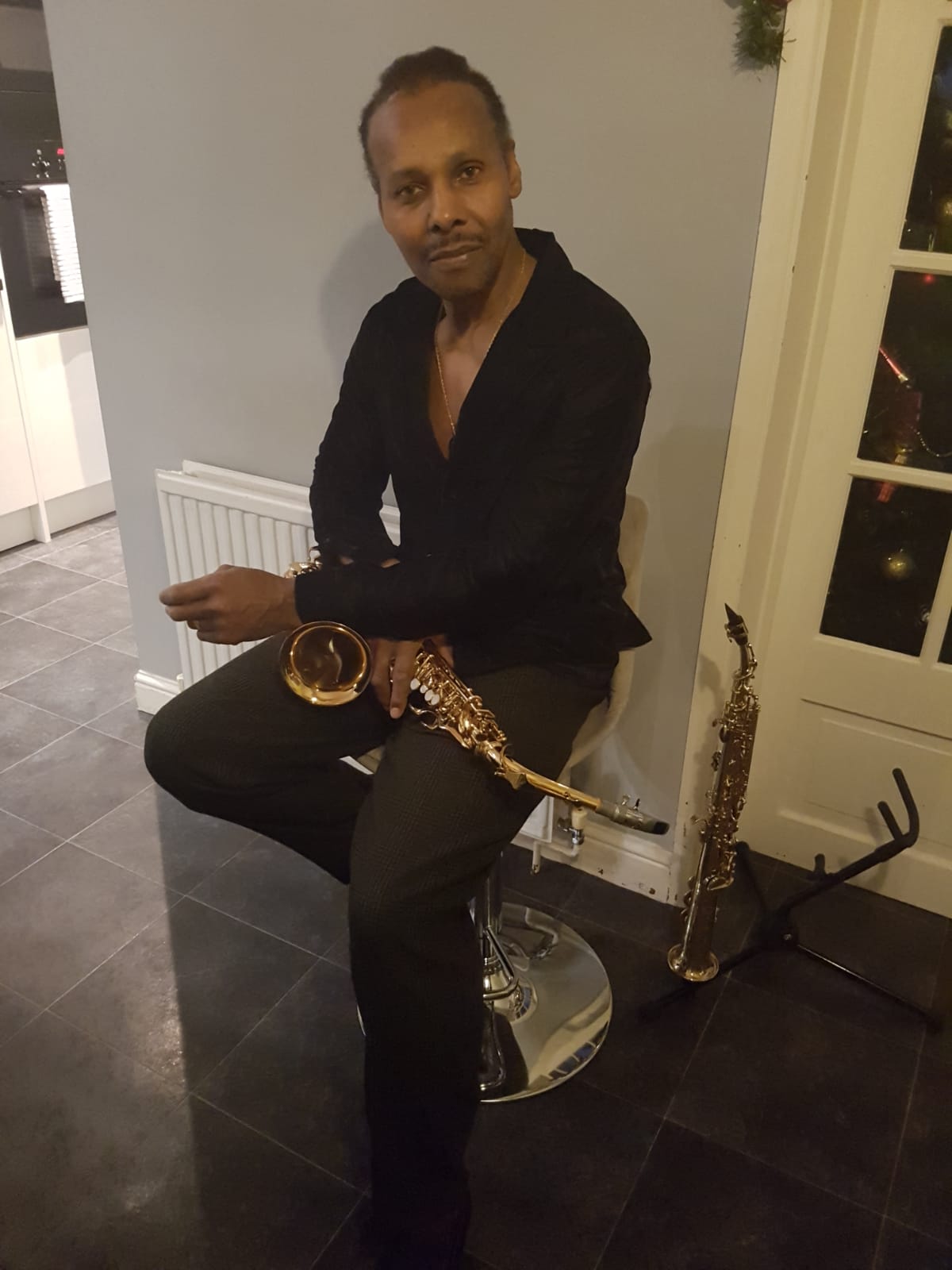
In this interview, saxophonist Morgan James explains how he approaches a cover song, from finding the right sheet music and key to learning the melody, choosing suitable songs, and preparing music for different audiences and events.
How Do You Cover a Song?
PM: Hi Morgan James, over to you.
MJ: My first approach is to get hold of music sheets for the song that I’ll be covering. The same applies for instrumental music. If for any reason I can’t get hold of the music sheets, then I would create my own music sheets.
For Morgan, the first stage of learning a cover song is to find the sheet music.
If the sheet music is not available, he creates his own version instead.
This gives him a written reference that he can use while learning the melody and preparing the song for performance.
Step 1: Find the Right Key and Listen to the Song
Morgan’s first practical step is to find the appropriate key and listen carefully to the song.
He listens to the lyrics several times so that the song becomes familiar in his head.
Listening repeatedly helps him become familiar with the melody, structure, and overall feel of the original song before he begins writing the notes down.
For a musician learning how to cover a song, this demonstrates the importance of becoming familiar with the original performance before trying to reproduce it on an instrument.
Step 2: Learn the Melody and Write Down the Notes
Once he understands the song, Morgan plays the melody along with the vocalist.
He then writes each note down on his music sheet, working verse by verse until he reaches the end of the song.
This allows him to break the song into manageable sections rather than trying to learn the entire piece at once.
For an instrumentalist, this can provide a structured way to understand a vocal melody and translate it onto an instrument such as a saxophone.
Step 3: Practice Without the Vocals
Once Morgan has the melody written down, he plays the track again without the vocals.
In other words, he uses the instrumental or karaoke version of the song to test whether he can perform the melody independently.
Some songs can be challenging at this stage.
When that happens, Morgan breaks the song into smaller groups or sections and practices them separately until he can play the complete piece fluently.
This step is particularly important because it moves the musician from simply following the original vocalist toward performing the melody independently.
Choosing the Right Song to Cover
Learning how to cover a song is not only about technical preparation.
Morgan also considers several factors before deciding whether a song belongs in his repertoire.
1. Consider the Genre and Style
PM: What are some of the key features of a song that it needs to have for you to be prompted to cover it?
MJ: There are various features I have to take into consideration before doing a cover version of a song.
The first is the genre and style.
Morgan explains that he provides a service to customers, so he needs a varied repertoire that works for different venues and audiences.
The type of music he chooses may therefore depend on whether he is performing at:
- A wedding ceremony
- A private event
- A restaurant
- A hotel
- Another type of venue
Having a varied repertoire allows him to adapt his performances to different audiences.
2. Consider the Popularity of the Song
Morgan also considers how popular a song is.
Catchy songs and songs that people can easily relate to can be particularly useful when performing for an audience.
A familiar song can give listeners something they immediately recognize while still allowing the performer to add their own musical interpretation.
3. Think About the Tempo
Another factor Morgan considers is the tempo.
Is the song fast or slow?
Is it danceable?
Does its rhythm make sense for the type of event where he will perform it?
These questions matter because the same song may work very differently depending on the venue and audience.
A wedding reception, restaurant, hotel, and private event can all require different types of music.
(James doing a cover of The Girl From Ipanema)
4. Choose Songs You Personally Like
Morgan is also drawn to songs that he personally enjoys.
If he thinks a song is great, he is more likely to want to create his own cover version and hopes the audience will enjoy it too.
He also particularly enjoys opportunities to perform jazz because jazz is one of his preferred styles.
Personal enjoyment therefore plays an important role in deciding which songs become part of his repertoire.
5. Make Sure the Song Works on Saxophone
For Morgan, there is another important consideration: the song has to work on the saxophone.
If the original recording contains vocals and he feels that he can successfully translate the melody to saxophone, he will consider performing it.
But he does not believe every song will automatically sound good on the instrument.
His approach is simple: play the song several times and listen carefully.
If he does not like what he hears, he drops the song.
As Morgan puts it, if he is not feeling the performance himself, it becomes difficult to expect the audience to feel it either.
Study the Original Artist
PM: How important do you feel it is to study the events and circumstances of the artist at the time they wrote the original track?
MJ: For me, the events and circumstances of an artist or musician are very important to study as part of the creative journey.
Morgan takes an interest in the background of the original artist.
He likes to learn about:
- Early influences
- Challenges
- Sacrifices
- Musical collaborations
- The creative elements used in the original music
He also looks at how musicians combine different influences and techniques to create something distinctive.
Understanding this background can give him additional inspiration when developing his own interpretation.
Use Inspiration Without Simply Copying
Studying the original artist does not mean Morgan wants to reproduce the song exactly as it was performed.
Instead, he uses what he learns as inspiration for his own musical approach.
If he can relate to something that the original artist experienced, it may encourage him to become more creative.
He can then bring different genres or influences into his saxophone playing to develop an interpretation that feels like his own.
This is one of the interesting parts of performing a cover: the song is already familiar, but the performer can still bring their own musical personality to it.
How to Cover a Song for Different Audiences
Morgan’s approach also shows why context matters.
A song that works well in a restaurant may not be the right choice for a wedding ceremony.
Likewise, a high-energy dance track might be appropriate for one event but less suitable for another.
Before choosing a song, Morgan considers:
The audience
Who will be listening?
The venue
Where will the performance take place?
The atmosphere
Should the music be relaxed, energetic, romantic, or lively?
The style
Does the song fit the musician’s repertoire?
The instrument
Will the song translate effectively to saxophone?
Thinking about these factors can help a musician build a more practical and versatile repertoire.
How Long Does It Take to Learn a Cover Song?
Morgan does not give a specific timeframe for learning a cover song.
Instead, he focuses on the process of listening, writing the melody, practicing with the instrumental version, and breaking difficult sections into smaller parts.
The amount of time needed can therefore depend on the complexity of the particular song and how comfortable the musician is with its melody.
The important part of his process is not rushing through the song.
He takes the time necessary to reach a point where he can perform it fluently.
Can the Same Approach Work Across Different Genres?
PM: Do you think the approach and techniques you outlined can be applied to most forms of music?
MJ: I don’t think it matters what genre of music it is, as I believe the same approach can apply.
Morgan views music as universal.
From his perspective, the process of listening, understanding the melody, writing the notes, and practicing the piece can be applied across different musical styles.
The language, country, and genre may change, but once the notes are represented on a music sheet, the musician can work with the same basic process.
Morgan James Performing “The Girl From Ipanema”
Morgan also demonstrates his approach through his cover performance of “The Girl From Ipanema.”
You can find more of his performances through his Morgan James YouTube channel.
What Can Musicians Learn From Morgan’s Approach?
Morgan’s experience provides several useful ideas for musicians who want to create cover versions.
First, become familiar with the original song before trying to perform it.
Second, write down the melody and break difficult sections into smaller parts.
Third, think about whether the song fits your instrument and your own musical style.
Fourth, consider your audience and the venue before adding a song to your repertoire.
Finally, do not be afraid to drop a song if it does not sound right for you.
A technically playable song is not necessarily the right song for every performer.
How to Cover a Song in Your Own Style
A good cover does not necessarily have to sound exactly like the original.
Morgan’s approach demonstrates how a musician can take a familiar song and adapt it to their own instrument, influences, and performance style.
For a saxophonist, that may mean translating a vocal melody into an instrumental performance.
For another musician, it could mean changing the arrangement, tempo, instrumentation, or overall feel of the song.
The important thing is to understand the original while still allowing your own musical identity to come through.
Practice the Song in Sections
If a song is difficult to play from beginning to end, Morgan recommends breaking it into smaller groups.
This can make practice more manageable.
Instead of repeatedly attempting the entire song, focus on one verse or section at a time until it becomes comfortable.
Then connect the sections together.
This approach can help a musician gradually build confidence with a more difficult arrangement.
Build a Repertoire That Matches Your Audience
For musicians who perform professionally, a repertoire should reflect more than personal taste.
Morgan considers what his customers and audiences may want to hear.
That means maintaining variety while still keeping songs that genuinely fit his style.
A strong repertoire can contain familiar popular songs alongside music from genres the performer personally enjoys.
This gives the musician flexibility while allowing them to maintain their individual identity.
Related Music Content
If you’re interested in the songwriting process as well as performing cover songs, take a look at How I Write a Hit, where rising artist Mense explains his approach to writing music.
You can also explore more music-related interviews and articles in the Phroenix Media Music section.
Final Thoughts
Learning how to cover a song involves more than simply playing the original melody.
Morgan James’s approach starts with finding or creating sheet music, listening carefully to the original song, identifying the right key, writing down the melody, and practicing with the vocals removed.
He also considers whether a song fits his saxophone, his own musical preferences, the event, the audience, and his existing repertoire.
Perhaps the most important lesson is that a cover should still feel like a performance by the musician playing it.
Understanding the original artist and song can provide valuable context and inspiration, but the final performance can reflect the musician’s own style and interpretation.
For more interviews, music stories, and creative content, visit Phroenix Media’s Music section.