Podcasting has transformed into one of the most powerful digital media formats for sharing ideas, building personal brands, and cultivating dedicated global communities. If you have unique insights, stories, or expertise to share, learning how to start a podcast for beginners is far simpler than it might seem.
You do not need a multi-thousand-dollar studio setup or formal broadcast experience to get started. With clear planning, basic audio equipment, and a consistent publishing routine, you can launch a professional-sounding show right from home.
Step 1: Define Your Concept, Niche, and Target Audience
Before touching a microphone, you must establish the core identity of your show.
-
Choose a Specific Niche: General topics like “tech” or “sports” are saturated. Instead, focus on a targeted sub-topic—such as “cybersecurity for small businesses” or “local high school football coaching.”
-
Identify Your Target Listener: Define who your ideal listener is, what problems they face, and why your content will provide value to their daily routine.
-
Determine Your Show Format: Decide whether your podcast will be solo commentary, co-hosted interviews, narrative storytelling, or panel discussions.
-
Establish Episode Length and Frequency: Consistency is crucial. A weekly 20-to-30-minute episode is often easier for beginners to maintain than daily or multi-hour productions.
Step 2: Essential Podcast Gear for Beginners
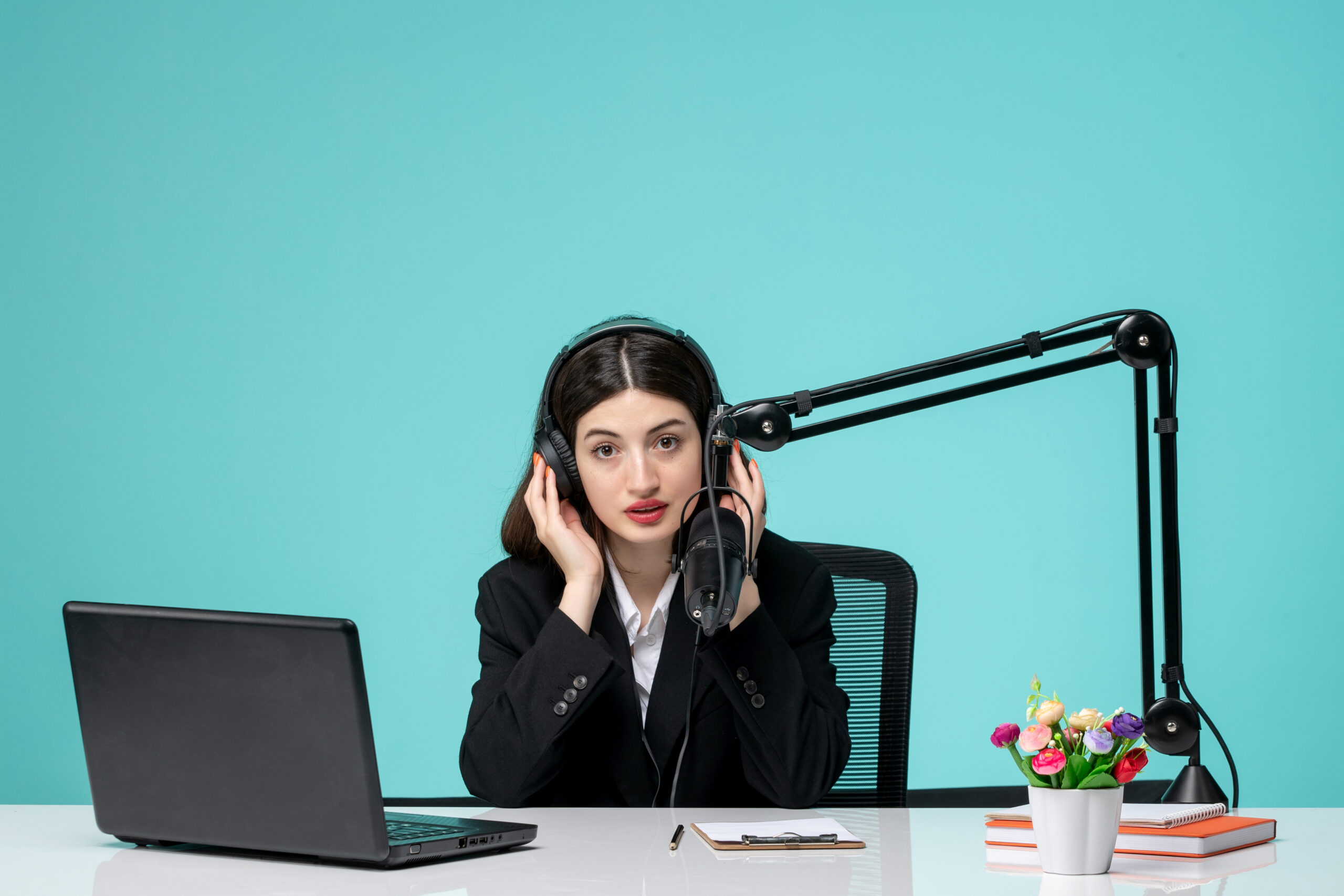
High-quality audio keeps listeners engaged, while poor sound quality causes them to drop off quickly. You don’t need high-end studio gear to sound crisp and clear.
Core Equipment Breakdown
-
Microphone:
-
USB Microphones (Plug-and-Play): Ideal for beginners recording near a computer (e.g., Audio-Technica ATR2100x-USB or Samson Q2U).
-
XLR Microphones: Require an audio interface/mixer but offer superior long-term sound upgrade paths (e.g., Shure MV7 or RØDE PodMic).
-
-
Headphones: Closed-back headphones (like the Audio-Technica ATH-M20x) allow you to monitor your voice live without sound bleeding into the microphone.
-
Pop Filter & Boom Arm: A pop filter eliminates harsh “p” and “b” plosive sounds, while a boom arm reduces desk vibrations and keeps your recording space ergonomic.
-
Acoustic Treatment: Record in a carpeted room with soft furnishings or curtains to minimize natural echo.
Step 3: Selecting Recording and Editing Software
To record and edit your podcast, you need a Digital Audio Workstation (DAW) or remote recording platform:
| Software / Tool | Best For | Price | Key Feature |
| Audacity | Local Solo Recording | Free (Open Source) | Powerful noise reduction and audio editing tools |
| GarageBand | Mac Users | Free | User-friendly interface pre-installed on macOS |
| Descript | Script-Based Editing | Freemium | Text-based audio editing and automatic transcription |
| Riverside.fm / SquadCast | Remote Interviews | Paid (Free Trial) | Local multi-track audio and video recording over web browsers |
Step 4: Your Step-by-Step Episode Production Workflow
Creating a smooth workflow ensures you release episodes on time without feeling overwhelmed.
Prepare a bulleted outline covering your episode intro, key points, guest questions, sponsor spots, and call to action (CTA).
Perform a short soundcheck, ensure background fans/air conditioning are off, speak directly into the microphone at a consistent distance, and record your conversation or solo commentary.
Trim out long silences, remove loud background hums using noise-reduction filters, balance volume levels, and insert intro/outro music.
Export your finalized master audio file as an MP3 (128 kbps or 192 kbps stereo/mono) and prepare your episode title, description, and show notes.
Step 5: Podcast Cover Art and Branding
Your cover art is the primary visual element that attracts new listeners inside directory feeds like Apple Podcasts and Spotify.
-
Art Dimensions: 3000 x 3000 pixels square format (JPEG or PNG).
-
Visual Clarity: Use bold fonts, high-contrast colors, and minimal text so it remains legible even when scaled down on phone screens.
-
Branding Consistency: Align your cover art colors with your website and social media graphics.
Step 6: Hosting and Distributing Your Podcast
Podcasts are not uploaded directly to Apple Podcasts or Spotify. Instead, you host your media files on a dedicated Podcast Hosting Platform, which generates an RSS feed to distribute your show automatically to all major directories.
Popular Beginner-Friendly Podcast Hosts
-
Spotify for Podcasters (formerly Anchor): 100% free hosting with built-in monetization and analytics tools.
-
Buzzsprout: High visual clarity, automatic audio optimization, and step-by-step directory submission guides.
-
Podbean & Libsyn: Long-standing industry standards with flexible bandwidth and hosting tiers.
Once set up, submit your host-generated RSS feed to Apple Podcasts, Spotify, Amazon Music, and YouTube Music to ensure global availability.
Step 7: Monetizing Your Podcast
Once you build a steady listener base, several monetization avenues open up:
-
Sponsorships & Host-Read Ads: Earn revenue per thousand downloads (CPM model) by reading sponsor messages during your episodes.
-
Listener Memberships (Patreon): Offer exclusive bonus content, early episode access, or ad-free streams to paid subscribers.
-
Affiliate Marketing: Recommend relevant products, software, or tools in your show notes using affiliate link tracking.
-
Selling Services & Merchandise: Use your show authority to sell branded merchandise, consulting sessions, online courses, or physical products.
Final Thoughts
Learning how to start a podcast for beginners comes down to taking consistent action: define a clear niche, invest in basic audio equipment, and publish content reliably. Focus first on providing genuine value to your listeners, and over time, your audience, influence, and monetization opportunities will grow organically.