In today’s fast-paced digital economy, standing out in a crowded market is no longer optional—it is essential for long-term career growth. Whether you are an entrepreneur, content creator, freelancer, or corporate leader, your personal brand is your most valuable professional asset.
A strong personal brand differentiates you from competitors, communicates your unique expertise, and attracts high-intent opportunities directly to you.
So, how do you build a personal brand from scratch?
Learning how to build a personal brand involves identifying your core strengths, defining your visual identity, creating high-value digital content, and consistently engaging with your industry network.
What Is a Personal Brand and Why Does It Matter?
Your personal brand is the unique combination of skills, experiences, and values that define how the world perceives you. It is the story you tell, the reputation you maintain, and the digital footprint you leave across search engines and social platforms.
Key benefits of building a strong personal brand include:
Increased Market Authority: Positions you as a trusted thought leader in your niche.
Higher Earning Potential: Allows you to command premium rates for freelancing, consulting, or speaking engagements.
Inbound Opportunities: Drives client inquiries, job offers, and media features directly to your inbox without cold outreach.
Long-Term Career Security: Creates an audience and reputation that belong to you, independent of any single employer or platform.
Step 1: Discover Your Unique Value Proposition (UVP)
Before launching websites or posting on social media, you must define what sets you apart. Your Unique Value Proposition (UVP) sits at the intersection of your skill set, your passions, and market demand.
To discover your UVP, ask yourself:
What specific problems do I solve better than anyone else?
What unique combination of background, experience, or skills do I possess?
What core values drive my professional work?
Understanding your UVP ensures that your personal brand authentically reflects who you are and what tangible value you provide to your audience.
Step 2: Define Your Core Brand Identity
Once you clarify your UVP, shape it into a cohesive visual and messaging identity. Your personal brand identity establishes a recognizable presence across all online and offline channels.
Key elements of a personal brand identity include:
Brand Messaging: A clear positioning statement summarizing who you help and how you help them.
Brand Voice & Tone: The personality of your communication—whether authoritative, conversational, energetic, or analytical.
Visual Identity: A consistent color palette, typography choices, and professional headshots used across your website and social headers.
Step 3: Build Your Digital Infrastructure and Online Presence
To establish authority, you need dedicated online real estate where prospective clients, employers, or followers can discover your work.
1. Build a Centralized Portfolio Website
Your personal website is the anchor of your personal brand. Use it to host your bio, portfolio, case studies, blog posts, and contact information. Unlike social media profiles, you own your website entirely.
2. Optimize Strategic Social Media Profiles
You do not need to be active on every social platform. Choose 1–2 primary channels where your target audience hangs out:
LinkedIn: Ideal for B2B professionals, executives, and consultants.
Twitter / X: Excellent for tech founders, marketers, and real-time industry commentary.
Instagram & TikTok: Best for visual artists, lifestyle creators, and consumer-facing coaches.
Step 4: Create High-Value, Solution-Oriented Content
Content creation is the engine that powers personal brand growth. Publishing valuable insights regularly demonstrates your expertise and builds long-term trust with your audience.
Focus on creating content across multiple formats:
Written Articles & Essays: In-depth blog posts and newsletters that dive deep into industry trends.
Short-Form Video & Audio: Video breakdowns, podcast appearances, and audio audio-visual projects that display your personality and communication style.
Case Study Feature: Building a Brand Story Through Multimedia
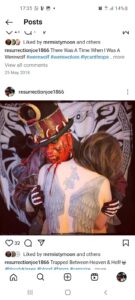
For a great example of turning yourself into a brand from scratch, see the images below and listen to the audio transcript of “Resurrection Joe,” created by Lee Williams.



Step 5: Network and Build Strategic Industry Relationships
Personal branding is not just about broadcasting your message; it is about building meaningful connections. High-value relationships accelerate your reach and open doors to collaborative growth.
Effective networking tactics include:
Engaging in Niche Communities: Comment thoughtfully on posts from industry peers and join dedicated professional groups.
Attending Conferences & Meetups: Connect with creators and professionals in person to turn online acquaintances into real-world relationships.
Co-Creating Content: Partner with other creators for podcast interviews, joint webinars, or guest blog posts to cross-pollinate audiences.
Step 6: Showcase Thought Leadership and High-Level Authority
As your brand matures, actively look for opportunities to validate your authority outside your owned channels.
Ways to showcase expertise include:
Public Speaking: Pitch presentations to local meetups, industry webinars, and national conferences.
Guest Publishing: Write guest articles for respected industry media outlets and blogs.
Case Studies & Testimonials: Feature client reviews, social proof, and measurable project outcomes prominently on your site.
Step 7: Prioritize Authenticity, Feedback, and Long-Term Consistency
Building a recognizable personal brand takes time. The two most critical factors for long-term success are authenticity and consistency.
Be Authentic: Avoid adopting a fake persona. Genuine storytelling and transparent experiences build deep audience resonance.
Gather Feedback: Ask mentors, colleagues, and followers for input on your brand clarity. Refine your messaging based on real market responses.
Stay Consistent: Maintain a regular content publishing schedule and keep your messaging consistent across every platform.
Final Thoughts
Learning how to build a personal brand is one of the most transformative investments you can make in your career or business. By identifying your unique value proposition, developing a professional web presence, publishing high-impact content, and nurturing industry relationships, you position yourself as an authority in your field.
Start small: clarify your messaging, optimize your primary social profile, publish your first piece of valuable content today, and build your digital reputation one piece at a time.